
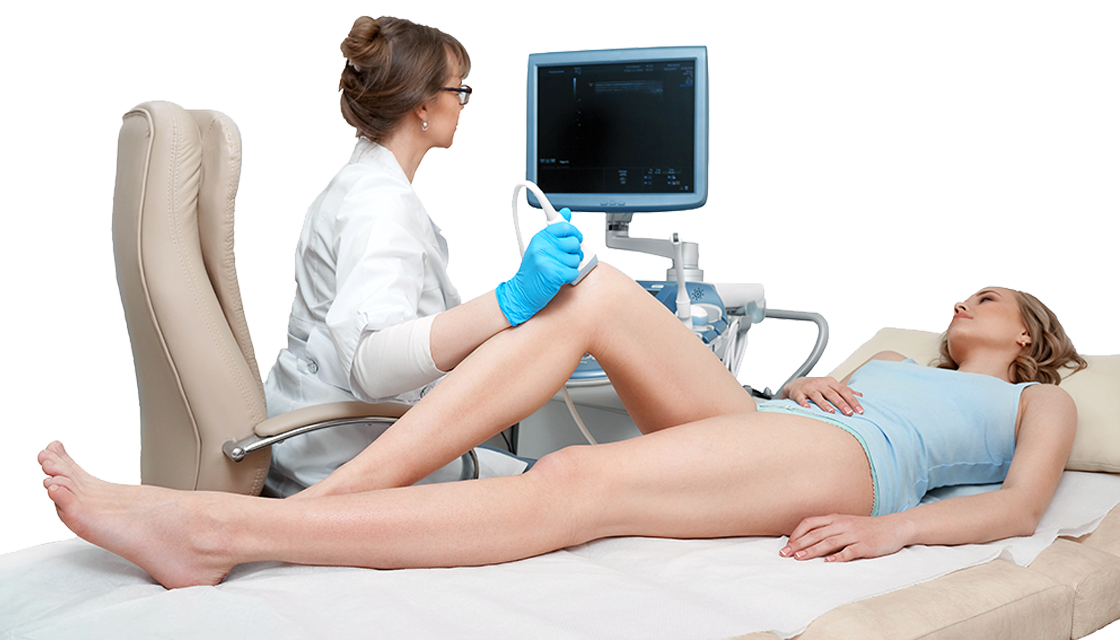
Non-surgical autologous biologic therapies are better than surgical procedures for musculoskeletal conditions because they minimize risks, such as infections and complications, by using the patient’s own biological materials. These therapies are less invasive, leading to quicker recovery times, less post-procedure pain, and fewer long-term disruptions compared to surgery. Additionally, they promote natural healing and tissue regeneration, often providing long-lasting relief without the need for the more aggressive intervention that surgery requires.
A Superior Option for Musculoskeletal Care
One of the most significant benefits of autologous biologic therapy is its minimally invasive nature. The procedure involves drawing a small amount of blood, processing it into protein enriched platelet-rich plasma or bone marrow stem cells, and then injecting it into the injured area.
This method greatly reduces the risk of complications commonly associated with surgical procedures. Infections, blood clots, and nerve damage, which are potential risks of surgery, are far less likely with autologous biologic therapy.
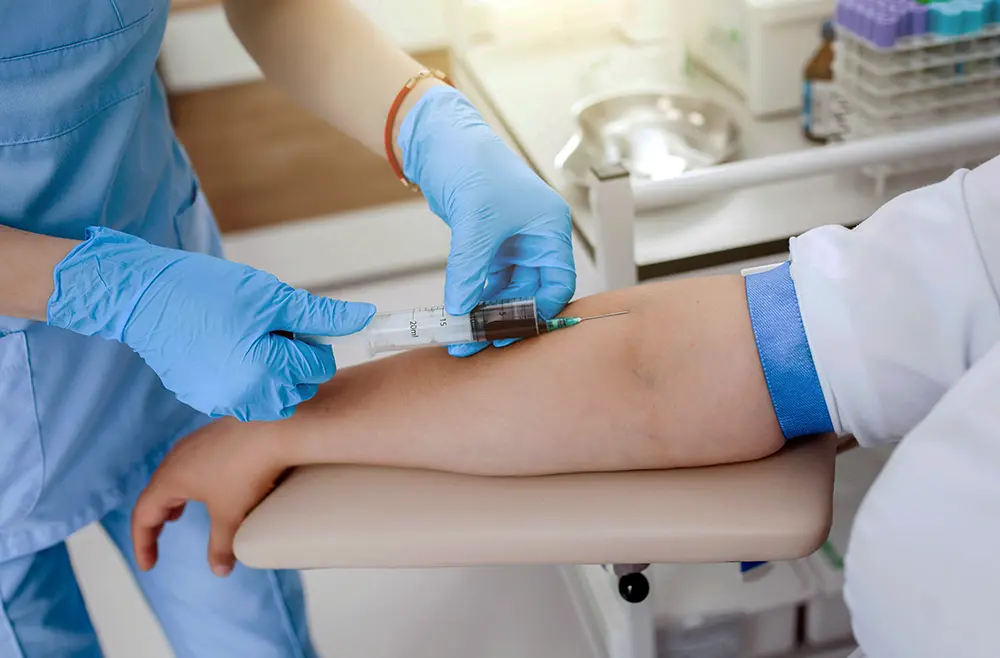
One of the most significant benefits of autologous biologic therapy is its minimally invasive nature. The procedure involves drawing a small amount of blood, processing it into protein enriched platelet-rich plasma or bone marrow stem cells, and then injecting it into the injured area.
This method greatly reduces the risk of complications commonly associated with surgical procedures. Infections, blood clots, and nerve damage, which are potential risks of surgery, are far less likely with autologous biologic therapy.

Autologous biologic therapy is linked to a much faster recovery time compared to surgical interventions. Patients can often return to their normal activities within weeks rather than the months typically required for post-surgical recovery.
This shorter recovery period results in less disruption to the patient’s daily life, enabling a quicker return to work, sports, and other activities. Additionally, the rehabilitation required is usually less intensive and shorter in duration compared to the rigorous and lengthy rehabilitation necessary after surgery.
Autologous biologic therapy is linked to a much faster recovery time compared to surgical interventions. Patients can often return to their normal activities within weeks rather than the months typically required for post-surgical recovery.
This shorter recovery period results in less disruption to the patient’s daily life, enabling a quicker return to work, sports, and other activities. Additionally, the rehabilitation required is usually less intensive and shorter in duration compared to the rigorous and lengthy rehabilitation necessary after surgery.
Autologous biologic therapy harnesses the body’s innate healing mechanisms by utilizing the patient’s own regenerative stem cells, platelet growth factors, and proteins to encourage natural tissue repair.
This capacity to heal without extensive surgical procedures is the power of BODY BIOLOGICS. This approach fosters stronger and more functional tissue, leading to sustained outcomes.

Autologous biologic therapy harnesses the body’s innate healing mechanisms by utilizing the patient’s own regenerative stem cells, platelet growth factors, and proteins to encourage natural tissue repair.
This capacity to heal without extensive surgical procedures is the power of BODY BIOLOGICS. This approach fosters stronger and more functional tissue, leading to sustained outcomes.

Patients choosing autologous biologic therapies may experience fewer long-term complications compared to those who undergo surgery. A major benefit is the reduced risk of osteoarthritis in the affected joint, a common issue following surgical interventions.
Additionally, autologous biologic therapy avoids complications related to graft choices, such as donor site morbidity or graft rejection, which are inherent in surgical ligament repairs. By circumventing these complications, patients can enjoy a more stable and durable recovery.
Patients choosing autologous biologic therapies may experience fewer long-term complications compared to those who undergo surgery. A major benefit is the reduced risk of osteoarthritis in the affected joint, a common issue following surgical interventions.
Additionally, autologous biologic therapy avoids complications related to graft choices, such as donor site morbidity or graft rejection, which are inherent in surgical ligament repairs. By circumventing these complications, patients can enjoy a more stable and durable recovery.
Non-surgical autologous biologic therapy is more cost-effective than surgical procedures because it eliminates the need for expensive surgical interventions, hospital stays, and anesthesia. The therapy is typically performed in an outpatient setting, which significantly reduces overall treatment costs. Recovery time is shorter, leading to less time off work and fewer follow-up visits, further decreasing the financial burden. Additionally, the reduced risk of complications with non-surgical methods lowers the likelihood of costly additional treatments.

Non-surgical autologous biologic therapy is more cost-effective than surgical procedures because it eliminates the need for expensive surgical interventions, hospital stays, and anesthesia. The therapy is typically performed in an outpatient setting, which significantly reduces overall treatment costs. Recovery time is shorter, leading to less time off work and fewer follow-up visits, further decreasing the financial burden. Additionally, the reduced risk of complications with non-surgical methods lowers the likelihood of costly additional treatments.